Auto Wreckers Gold Coast: Your 2026 Guide
You know the car I mean. It’s the one that hasn’t moved in months, maybe longer. Flat tyre, dead battery, rego question marks, and just enough sentimental value to keep putting the decision off another weekend.
On the Gold Coast, that’s a common story. A hatchback left in the driveway at Nerang, a damaged ute parked behind the unit at Surfers Paradise, a tired family wagon sitting under a tarp in Burleigh Heads. Most owners don’t need more hype. They need straight answers. What’s the car worth, what paperwork matters, and how do you avoid wasting half a day with someone who changes the price when the truck arrives?
That’s where understanding how auto wreckers on the Gold Coast work helps. Once you know how a quote is built, why ID checks are strict, and what happens on pickup day, you’re in a much better position to get paid fairly and get the car gone without drama. The same logic applies whether you’re looking at auto wreckers Gold Coast, sorting out a disposal in Logan, or comparing options for cash for cars Brisbane and car removals Brisbane.
That Old Car in the Driveway Can Be Instant Cash
An unwanted car usually stops feeling like a vehicle and starts feeling like clutter. It takes up the best spot at home, leaks into the concrete, collects leaves, and turns into one more job you haven’t had time to sort out. For plenty of locals, the true win isn’t only the payment. It’s getting the space back and ending the mental load.
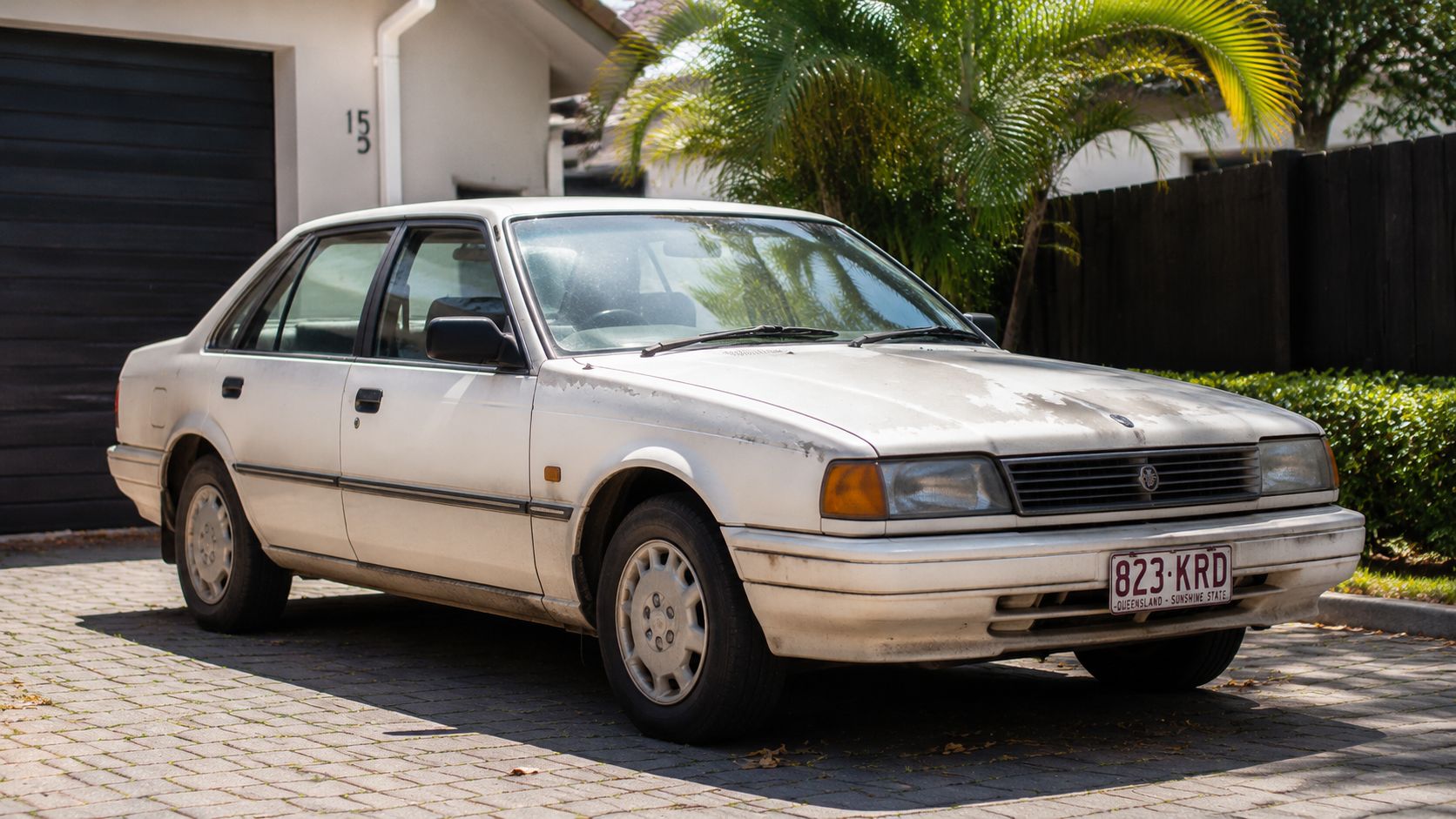
Gold Coast sellers are dealing with a market that’s still active across suburbs such as Surfers Paradise, Biggera Waters, Nerang, Burleigh Heads, Reedy Creek, Currumbin, and Coomera. At the same time, the broader industry has been under pressure. ABC News reported that online competition and illegal operators had contributed to a 10% annual reduction in legitimate wreckers in Australia. That tells you two things. First, there are still plenty of operators around locally. Second, you need to be selective about who you deal with.
Why sellers leave money on the table
Owners often make one of two mistakes. They either expect scrap value only, even when the car still has usable parts, or they expect private-sale money for a vehicle that really belongs in the recycling stream.
A worn but complete car can still hold value in its engine, gearbox, wheels, panels, electronics, or catalytic converter. A badly damaged car can still be worth removing if the parts demand is there and the pickup is straightforward. But if the car has been sitting open to weather for ages, or it’s missing major components, the offer usually tightens up.
Why local service matters
This is why local response matters so much more than flashy slogans. A business handling cars across the Gold Coast, Logan, Ipswich, Sunshine Coast or Toowoomba needs to understand access issues, suburban pickups, body corporate parking headaches, and the paperwork habits of Queensland sellers. That’s where the process either feels easy or turns into a mess.
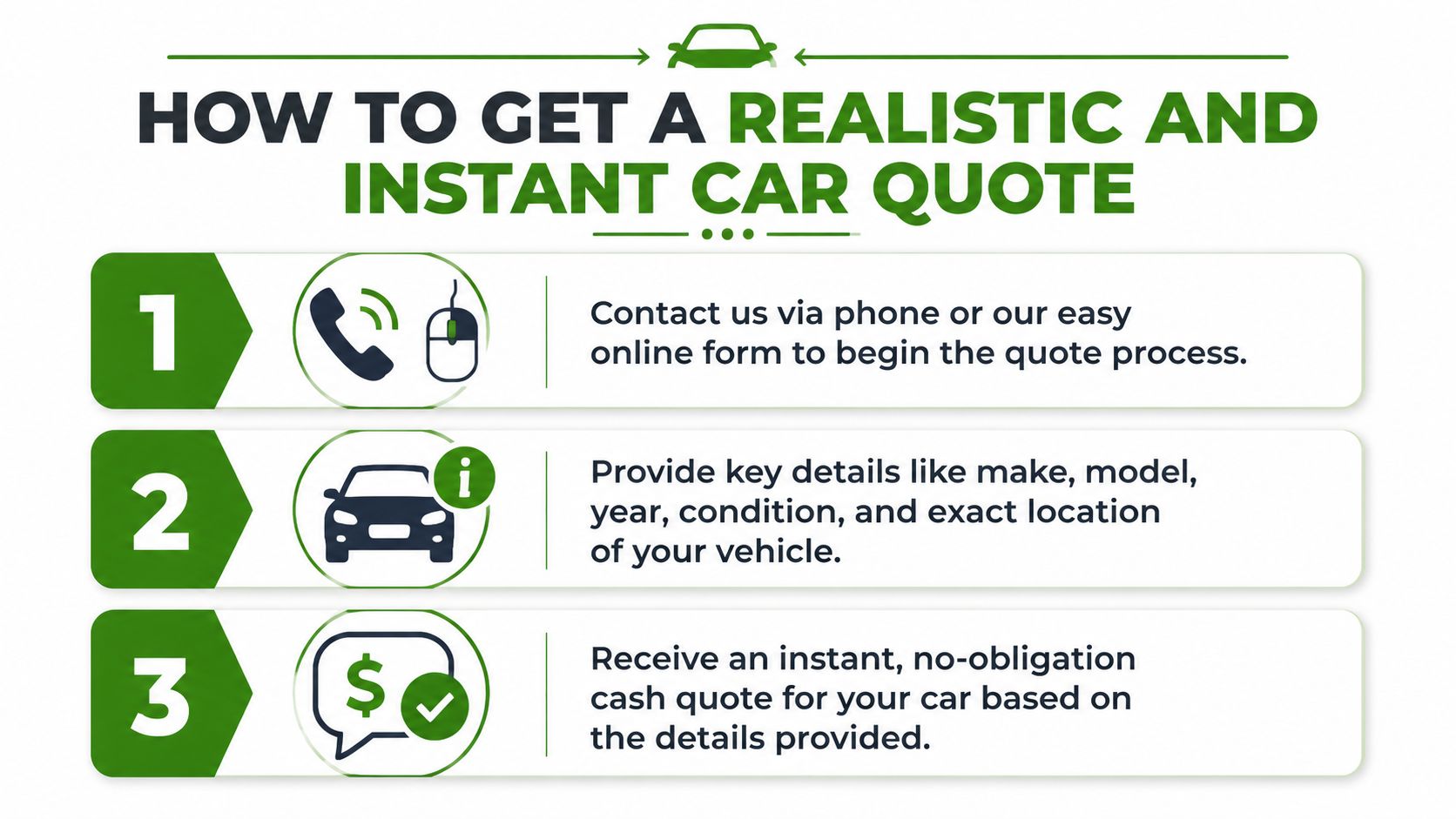
How to Get a Realistic and Instant Car Quote
A proper quote starts with honest details. Not polished details. Honest ones. If you tell a wrecker the car “just needs a battery” and the truck turns up to find front-end damage, missing keys, and no access for loading, that’s when arguments start.
What a wrecker needs from you
When you ask for a quote, have these basics ready:
- Make and model: A common model often has stronger parts demand than something rare.
- Year: This helps place the likely parts compatibility and resale interest.
- Condition: Running, non-running, accident-damaged, flood-affected, missing parts, or unregistered.
- Location: Pickup logistics matter. Basement access, narrow driveways, soft ground, and roadside loading all change the job.
- Photos if asked: Clear photos usually save time and help firm up the number.
If you’re comparing options for vehicle makes and models buyers commonly purchase, the same rule applies whether you’re chasing cash for old cars Brisbane, a used car buyer Brisbane, or a Gold Coast Cash For Cars Company. Better details usually mean a firmer quote.
How the number is really worked out
A lot of ads lead with the biggest possible figure. That’s marketing. It isn’t the same thing as the likely payout for the average unwanted car. As noted in this breakdown of auto wrecking economics, some Gold Coast wreckers advertise offers up to $22,000, but those are marketing claims tied to very specific high-demand vehicles. A realistic quote comes from recoverable parts and scrap metal value, minus towing and depollution costs.
That’s why two cars that look similar to an owner can get very different offers from a yard. One may have fast-moving parts and easy access for pickup. The other may be complete on paper but expensive to process.
A simple way to think about it is this:
| Factor | Helps your quote | Hurts your quote |
|---|---|---|
| Parts demand | Popular model, common replacement parts | Rare model with slow resale |
| Vehicle completeness | Engine, wheels, panels, catalytic converter still there | Missing major parts |
| Condition disclosure | Accurate details from the start | Surprises at pickup |
| Removal logistics | Easy tow access | Tight access or extra handling |
Preparing Your Car for a Smooth Handover
Once the quote’s accepted, the easiest jobs are the ones prepared properly. Not because the wrecker wants extra fuss, but because a messy handover slows everything down. Most pickup problems come from two places. Personal items left in the vehicle, and paperwork people assumed could be sorted later.
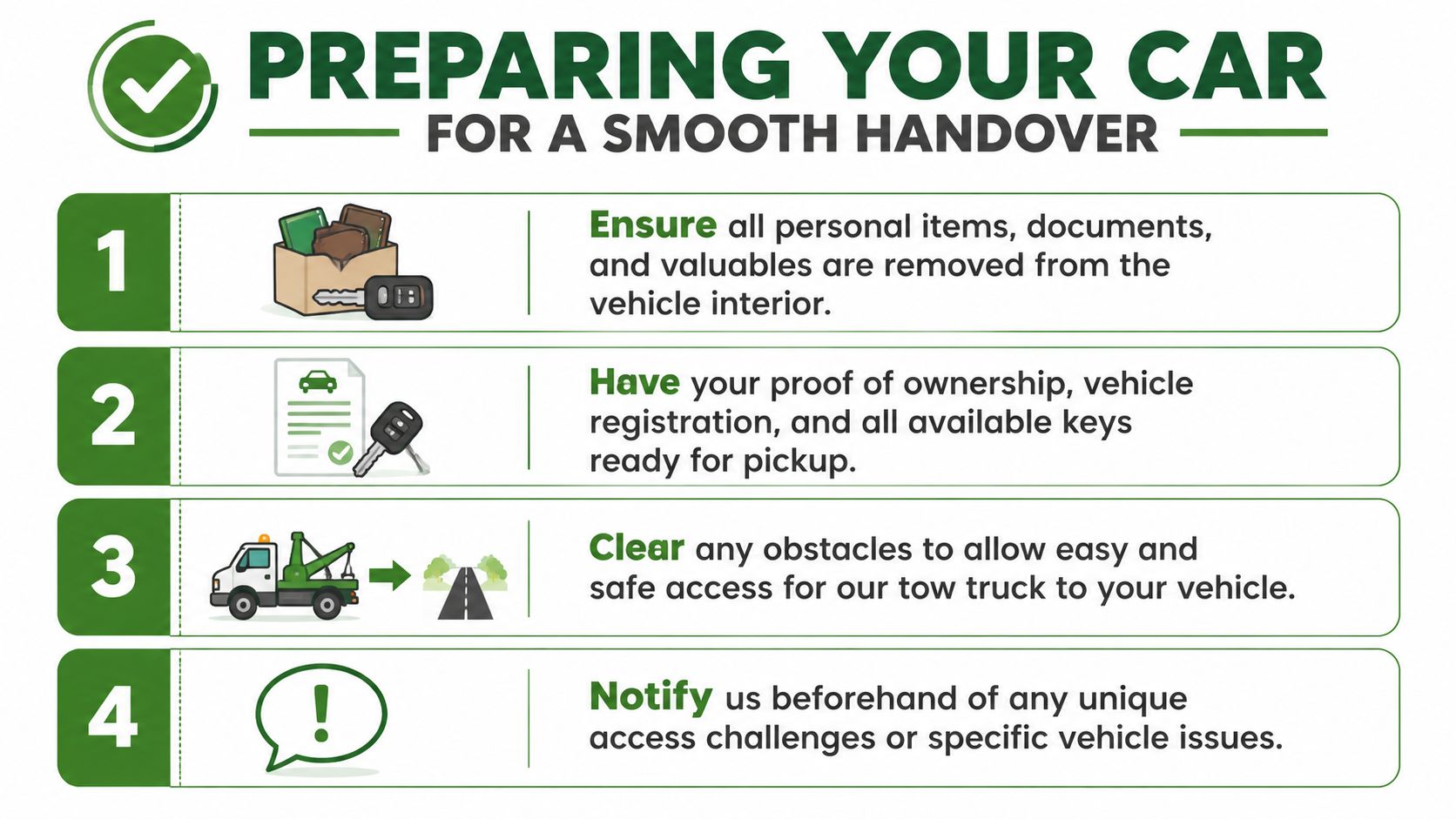
What to remove before pickup
Do a proper check, not a quick glance through the windows. Sellers often remember the obvious stuff and forget the annoying bits tucked away in the car.
- Cabin items: Sunnies, toll tags, charging cables, paperwork in the glovebox, garage remotes.
- Boot contents: Tools, sports gear, kids’ stuff, work gear, old number plate screws, battery chargers.
- Personal identifiers: Insurance papers, delivery labels, printed service records with your address on them.
- Loose accessories: If it’s not staying with the car, take it out before the truck arrives.
It also helps to make access easy. If the vehicle is boxed in by another car, parked behind a locked gate, or sitting on grass after heavy rain, mention that in advance.
The paperwork that slows people down
This is the part many Gold Coast sellers underestimate. Queensland disposal requires strict identity and ownership checks, and licensed auto wreckers need to verify them, which is why having your driver’s licence and proof of ownership such as a rego certificate or sales receipt ready at pickup matters, even for an unregistered vehicle or write-off.
The reason is simple. A licensed operator has to know the person handing over the car has the right to do it. If ownership is unclear, the pickup can stall on the spot.
A practical checklist looks like this:
- Bring photo ID. A driver’s licence is the usual starting point.
- Gather proof of ownership. Rego documents are helpful, but other records can also matter if papers are missing.
- Keep keys handy if you have them. Not essential in every case, but useful.
- Ask about plates beforehand. If you’re unsure what to do with number plates, confirm the process before collection day.
Don’t wait until the truck is outside to start looking for ownership documents. That’s where a simple pickup turns into a long phone call and a missed timeslot.
Choosing a Licensed Wrecker and Scheduling Your Free Removal
The Gold Coast has no shortage of businesses advertising cash for cars, cash for scrap cars Brisbane, or same-day pickups across South East Queensland. The problem is that not every operator works to the same standard once it’s time to verify ownership, load the vehicle safely, and complete the transaction properly.
Why licensing matters more than most sellers realise
A licensed wrecker has more to protect than a mobile number and a Facebook ad. They need to follow identification checks, keep transactions compliant, and handle unwanted vehicles in a way that won’t come back to bite the seller later.
That matters even more in an industry that has dealt with pressure from illegal operators. If a buyer is vague about paperwork, refuses to explain the process, or gets slippery when you ask what happens at handover, take that as a warning sign.
Look for signs of a proper operator:
- Clear business identity: You should know who’s collecting the car.
- Straight answer on documents: If they dodge ownership questions, walk away.
- Defined pickup window: Good operators don’t leave you waiting all day without updates.
- No surprise towing fee at the end: Confirm removal terms before you book.
How to book without the usual runaround
Scheduling should be simple. Confirm the quote, confirm the address, disclose any access issues, and lock in a pickup time that suits. If you’re arranging car removals across the Gold Coast, it helps to mention the suburb clearly, especially if the car is in a unit complex, shared driveway, or commercial site.
QLD Fast Car Removals is one example of an operator working across the Gold Coast and surrounding regions with pickup, paperwork checks, and removal handled at collection. That type of setup suits sellers who don’t want to organise separate towing.
Suburb-by-suburb coverage also matters. A company that’s comfortable collecting from Nerang car removals, Burleigh Heads car removals, Currumbin car removals, or Coomera car removals is usually easier to deal with than someone servicing the area only occasionally.
The Final Step What Happens on Removal Day
Removal day is usually much simpler than sellers expect. If the quote was honest and the paperwork is ready, the whole thing tends to move quickly. The driver arrives, confirms the vehicle, checks access, handles the loading, and finalises the handover.
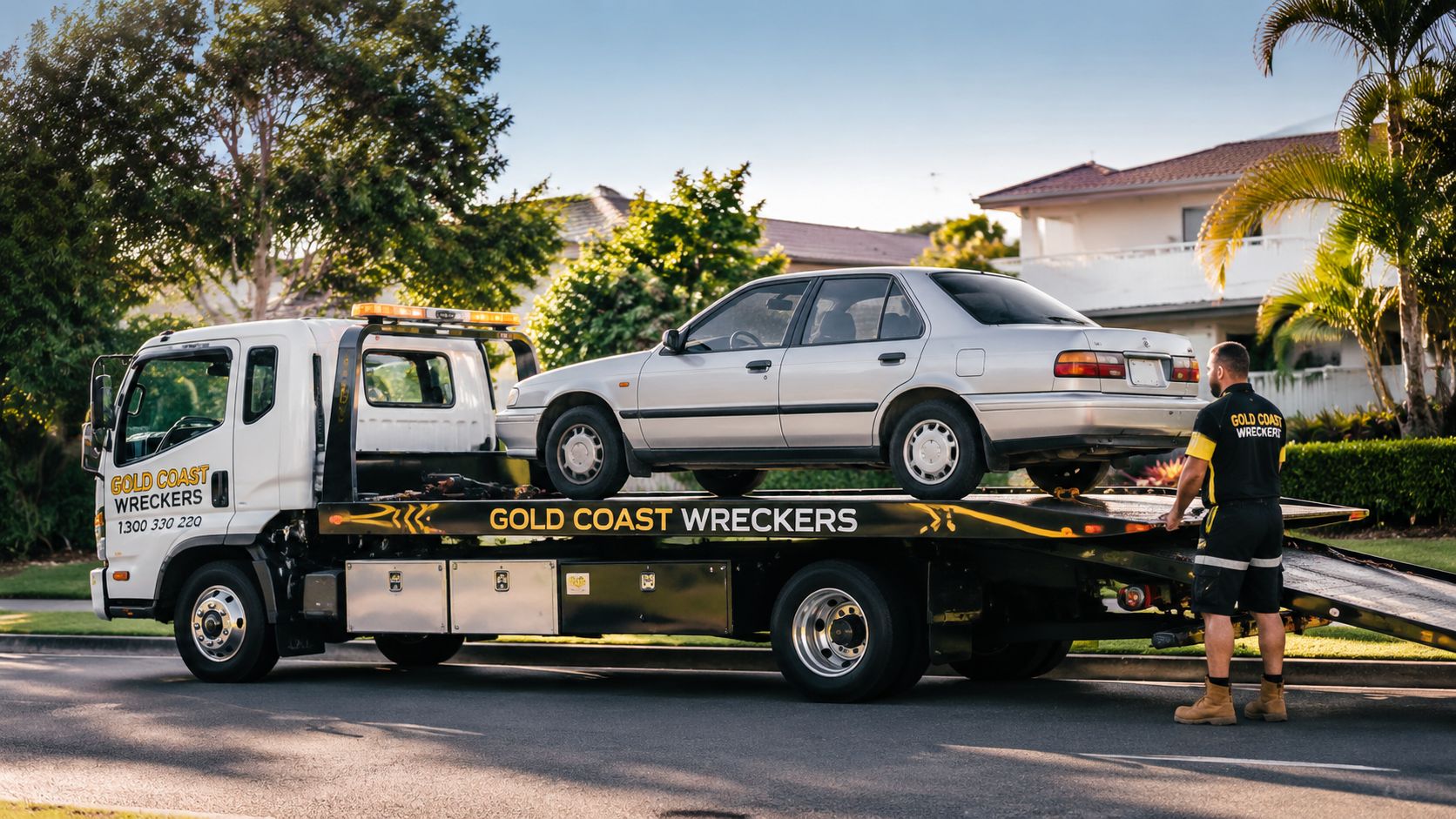
What the driver checks on arrival
The final inspection isn’t there to catch you out. It’s there to make sure the vehicle matches the description used for the quote. If you said the car had all four wheels, a complete engine, and easy roller access, the driver needs to see that’s accurate before loading.
A normal pickup day usually looks like this:
- Vehicle confirmation: Make, model, and visible condition are checked.
- Document check: ID and ownership details are matched to the handover.
- Paper signing: Transfer or disposal paperwork is completed.
- Loading: The vehicle is winched or lifted onto the truck.
- Payment: The agreed payment method is finalised on the spot.
If you’re also sorting rego issues, it’s worth reading a practical Queensland registration cancellation guide before the handover so you know what still needs to be done after the vehicle leaves.
Why two similar cars can get different offers
The value of an end-of-life vehicle comes from a residual-value workflow, not from what the whole car once sold for. This explanation of inventory turns in auto salvage lays it out clearly. The value comes from recoverable parts such as the engine, panels, and electronics, minus towing, depollution, and processing costs. Fast-moving parts are prioritised, which is why a common model can sometimes beat a rarer car on price.
That’s the bit many sellers miss. A car can be old and still pay well if the useful components turn over. Another can look more valuable to the owner but make less sense once handling costs are counted.
More Than Money The Eco-Friendly Choice
Scrapping a car through a proper wrecker isn’t only about cash and convenience. It’s also a practical way to keep a dead vehicle out of landfill and put useful materials back into circulation.
What responsible dismantling actually looks like
Australia’s vehicle pipeline is large, and end-of-life handling has to keep pace. A Gold Coast-focused vehicle sales report noted that 916,968 new vehicles were sold in Australia in 2020, even after a 13.7% decline year-on-year, and that wider market still feeds the stream of vehicles that eventually need dismantling and recycling. The same report notes the range of vehicle types involved, including cars, trucks, 4WDs, vans, utes, and SUVs. You can read that context in this overview of Australian vehicle sale trends and data.
In practical terms, responsible wrecking means removing fluids carefully, separating reusable components, and recycling the remaining shell instead of just treating the vehicle like rubbish. That’s why professional depollution matters. Oils, coolant, fuel, and other materials need handling properly before the metal body moves further down the chain.
This is also why the business works a lot like other recovery systems. If you want a broader operations view, this guide to managing returns and value recovery is useful because it explains the logic behind recovering value from items that can’t go back into normal use. Cars are obviously a different category, but the process mindset is similar.
For local owners booking car removals Brisbane, Sunshine Coast or Gold Coast wide, choosing a recycler with a proper dismantling process is one of those decisions that does more good than it first appears.
Quick Questions about Selling Your Car on the Gold Coast
Can I sell a car that doesn’t run?
Yes, in many cases you can. Non-running cars are common in the wrecking trade. What matters is accurate description, access for loading, and clear ownership.
Do I need registration papers?
Not always in the exact form people expect, but you do need proof that you’re entitled to dispose of the vehicle. If papers are missing, ask the buyer what alternative proof they’ll accept before booking.
Will I get the same amount as the ad says?
Usually no, not if you’re comparing your everyday unwanted car to a headline “up to” figure. Real quotes depend on the actual vehicle, parts demand, and the cost to collect and process it.
Should I remove the number plates first?
Ask before pickup if you’re unsure. Plate handling can depend on your registration status and what you still need to do from the owner side.
Is the process different outside the Gold Coast?
The core process is similar across South East Queensland. Whether you’re arranging cash for cars Brisbane, a pickup in Logan, Ipswich, Sunshine Coast, or even Toowoomba, the same basics apply. Honest vehicle details, ownership proof, and safe access for the truck.
What if the car is damaged or written off?
That’s common. Just disclose the damage clearly upfront. Written-off, accident-damaged, and unregistered vehicles often need a bit more care around documents and loading, which is exactly why early detail helps.
If you’ve got an unwanted vehicle sitting at home and want the process handled properly, QLD Fast Car Removals buys vehicles in any condition across Brisbane, the Gold Coast, Logan, Ipswich, Sunshine Coast and nearby areas, with free removal, on-the-spot payment, and paperwork checks handled at pickup.